- Categories
- Latent Fingerprints
- Shoeprints
- Toolmarks
- Microtraces
- Biological traces
- Evidence collection
- Investigation kits
- Marking and Photographing
- Fingerprint taking
- Forensic equipment
- Selection
- Gellifters
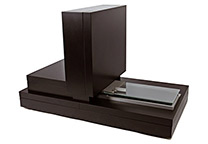
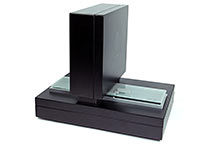
- GLScan systems
- IND 1,2-indanedione
- 5-MTN
- Chemical developers
- Cyanoacrylate fuming
- Staining blood traces
- SILMARK CART Toolmarks
- SILMARK CART fingerprints
- Sole Print (for taking shoeprints)
- Swedish black
- Latent Fingerprints
- Lifting fingerprints
- Cyanoacrylate fuming
- Amino acid reagents
- Chemical developers
- Staining blood traces
- Fingerprint Powders
- Brushes
- Shoeprints
- Lifting shoeprints
- Casting shoeprints
- Shoeprints in blood
- Taking shoeprints
- Toolmarks
- Silicone impression compound
- Toolmark aids
- Microtraces
- Hairs and fibers
- Gunshot residue
- Biological traces
- Finding blood
- Semen
- DNA
- Evidence collection
- Packing material
- Fire investigation
- Tools and instruments
- Investigation kits
- Universal investigation kits
- Burglary investigation kit
- Finger- and palmprint taking kit
- Foot- and tireprint kit
- Iodine Fuming kit
- Traffic accident kit
- UV kit
- Compact UV kit
- Obliterated number restoration kit
- Marking and Photographing
- Photographic rulers
- Evidence marking
- Fingerprint taking
- Fingerprint ink pads
- Fingerprint ink
- Printake
- Ink rollers
- Fingerprint taking stands
- Fingerprint cardholders
- Palmprint ink roll and pads
- Miscellaneous
- Fingerprint magnifier
- Forensic equipment
- GLScan Imaging Systems
- Lifting fingerprints
- Gellifters
- Instant Lifters
- Lifting tape
- Silicone for lifting
- Cyanoacrylate fuming
- PECA Cyano powder
- Cyano fluid
- Cyano staining solutions
- Cyano Fuming System
- Amino acid reagents
- Ninhydrin
- IND
- MTN
- DFO
- ThermaNin
- Chemical developers
- Physical Developer
- Silver Nitrate solution
- Iodine / Benzoflavone
- Crystal Violet
- Oil Red O
- Sudan Black (Solvent Black 3)
- Staining blood traces
- Acid Yellow 7
- Acid Violet 17
- Amido Black
- Crowle's stain
- Hungarian Red
- Coomassie Blue
- Leuco Crystal Violet
- Fingerprint Powders
- Special powders
- Instant powders
- Concentrated powders
- Blower brush powders
- TwoTone powders
- TwoPurpose powder
- Fluorescent powders
- Magnetic powders
- Magnetic TwoTone
- Magnetic fluor powders
- VISAS IR powder
- Small particle reagent
- Powder Suspension
- Brushes
- Zephyr brush
- Squirrel hair brush
- Marabou brush
- Carbon brush
- Blower brush
- Magnetic brushes
- Lifting shoeprints
- Gellifters for shoeprints
- Electrostatic lifting
- Casting shoeprints
- Foot- and tireprint casting kit
- Plaster of Paris
- SLM release agent
- Unifix 16
- Universal sprayer
- Casting frame metal
- Mixing bowl/sieve
- Contrast powder for snow
- Shoeprints in blood
- Acid Yellow 7
- Acid Violet 17
- Amido Black
- Crowle's stain
- Hungarian Red
- Coomassie Blue
- Leuco Crystal Violet
- Taking shoeprints
- Sole Print
- Silicone impression compound
- SILMARK gray
- SILMARK CART
- Toolmark aids
- Mixing pad
- Mixing dish
- Svedia spatula
- Photo ruler
- Testmarks
- Preparation of replica
- Hairs and fibers
- VacuuMark
- Microtrace tape
- Instant lifter for hairs and fibers
- Finding blood
- Luminol
- Bluestar
- Hemastix
- Peroxtesmo
- Hexagon OBTI
- Phenolphthalein
- Leucomalachite green
- Semen
- Phosphatesmo
- DNA
- Swabs
- Genelift
- Packing material
- Paper bags
- Fire investigation
- Fire debris bags
- Tools and instruments
- Forceps
- Scalpel
- Scissors
- Disposable pipet
- Magnifiers
- Fine-tooth comb
- Mouth mirror
- Mouth opener
- Eco Sprayer kit
- Photographic rulers
- Photo ruler, 40 cm
- L-scale for shoeprints, foldable
- Marking tape
- L-scales for shoeprints, bureau style
- L-scale, ABFO #2 style
- Rulers 15 cm/6 inch
- Fluorescent rulers 15 cm/6 inch
- Rulers 5 cm/2 inch
- Fluorescent rulers, 5 cm/2 inch
- Fluorescent L-scale rulers, ABFO #2 style
- Magnetic ruler, 60 cm
- Magnetic rulers 15 cm/6 inch
- Magnetic rulers 5 cm/2 inch
- Disposable L-scale
- Disposable photo ruler
- Evidence marking
- Numbers and arrow signs
- Evidence markers with L-scale
- Evidence markers with letters
- Hinged evidence markers
- Evidence marker kits
- Self-adhesive labels with numbers or arrows
- Self-adhesive labels with scale
- Marking strips
- Fingerprint ink pads
- Ceramic ink pad rectangular
- Instant BVDA fingerprint pad
- Ceramic ink pad round, 64 mm
- Ceramic ink pad round, 38 mm
- Instant fingerprint pad, round
- Ceramic ink pad rectangular, small
- Fingerprint ink
- BVDA fingerprint ink
- Printake
- Printake for fingerprints
- Printake for palmprints
- Printake booklet
- Printake retainer pads
- Ink rollers
- Ink rollers with plastic handle
- Fingerprint taking stands
- Fingerprint stand, table-top
- Fingerprint cardholders
- Fingerprint cardholder
- Fingerprint clamping device
- Palmprint ink roll and pads
- Palmprint ink roll, Porelon
- Palmprint ink pad, Porelon
- Ceramic palmprint ink pad
- Miscellaneous
- Kresto hand cleaner
- Removal waterless cleaner
- Ink cleaner
- Glass cleaner, aerosol can
- Ink remover towelettes
- Ink spatula
- Glass inking slabs
- Opaque fingerprint form labels
- Pre-fingerprinting tissues
- RidgeUp - pre-fingerprint fluid
- Fingerprint magnifier
- Fingerprint magnifier
- GLScan Imaging Systems
- GLScan SP
- GLScan FP
- Gellifters
- Gellifters Black
- Gellifters White
- Gellifters Transparent
- Lifting tape
- BVDA lifting tape
- Elastic PVC tape
- Backing cards
- Silicone for lifting
- Silmark Black
- Silmark White
- Silmark CART
- PECA Cyano powder
- PECA Multiband
- PECA Fluor Extra
- PECA Regular
- Cyano staining solutions
- Basic Yellow 40
- Basic Red 14
- Ardrox
- Safranine
- Rhodamine 6G
- Sudan Black
- Ninhydrin
- NINPRINT
- Ready for use Ninhydrin
- Ninhydrin Crystals
- Iodine / Benzoflavone
- Iodine Fuming kit
- Special powders
- Swedish black
- Silver Special
- Jet-Black Special
- Gold Special
- Silver grey special
- Instant powders
- Instant black
- Instant Silver
- Instant White
- Instant Gold
- Instant Copper
- Concentrated powders
- Concentrated black
- Concentrated Silver
- Dark grey
- Blower brush powders
- Special blower black
- Concentrated blower black
- Special blower silver
- Magnetic powders
- Jet black Magnetic
- Black
- Silver
- Grey
- Grey Special
- White
- Red
- Small particle reagent
- SPR Black
- SPR White
- SPR UV
- Powder Suspension
- Suspension powder silver/grey
- Suspension powder black
- Suspension powder white
- Wet Powder Black
- Wet Powder White
- Tape Release Agents
- Gellifters for shoeprints
- Gellifters Black
- Gellifters White
- Gellifters Transparent
-
CCarbon brush
Casting frame metal
Casting shoeprints
Ceramic ink pad rectangular
Ceramic ink pad rectangular, small
Ceramic ink pad round, 38 mm
Ceramic ink pad round, 64 mm
Ceramic palmprint ink pad
Chemical developers
Compact UV kit
Concentrated black
Concentrated blower black
Concentrated powders
Concentrated Silver
Contrast powder for snow
Coomassie Blue
Crowle's stain
Crystal Violet
Cyanoacrylate fuming
Cyano fluid
Cyano Fuming System
Cyano staining solutions
-
FFinding blood
Fine-tooth comb
Finger- and palmprint taking kit
Fingerprint cardholder
Fingerprint cardholders
Fingerprint clamping device
Fingerprint ink
Fingerprint ink pads
Fingerprint magnifier
Fingerprint Powders
Fingerprint stand, table-top
Fingerprint taking
Fingerprint taking stands
Fire debris bags
Fire investigation
Fluorescent L-scale rulers, ABFO #2 style
Fluorescent powders
Fluorescent rulers, 5 cm/2 inch
Fluorescent rulers 15 cm/6 inch
Foot- and tireprint casting kit
Foot- and tireprint kit
Forceps
Forensic equipment
-
IIND
Ink cleaner
Ink remover towelettes
Ink rollers
Ink rollers with plastic handle
Ink spatula
Instant black
Instant BVDA fingerprint pad
Instant Copper
Instant fingerprint pad, round
Instant Gold
Instant lifter for hairs and fibers
Instant Lifters
Instant powders
Instant Silver
Instant White
Investigation kits
Iodine / Benzoflavone
Iodine Fuming kit
-
MMagnetic brushes
Magnetic fluor powders
Magnetic Jet black
Magnetic powders
Magnetic ruler, 60 cm
Magnetic rulers 5 cm/2 inch
Magnetic rulers 15 cm/6 inch
Magnetic TwoTone
Magnifiers
Marabou brush
Marking and Photographing
Marking strips
Marking tape
Microtraces
Microtrace tape
Miscellaneous
Mixing bowl/sieve
Mixing dish
Mixing pad
Mouth mirror
Mouth opener
MTN
-
PPacking material
Palmprint ink pad, Porelon
Palmprint ink roll, Porelon
Palmprint ink roll and pads
Paper bags
PECA Cyano powder
PECA Fluor Extra
PECA Multiband
PECA Regular
Peroxtesmo
Phenolphthalein
Phosphatesmo
Photographic rulers
Photo ruler
Photo ruler, 40 cm
Physical Developer
Plaster of Paris
Powder Suspension
Pre-fingerprinting tissues
Preparation of replica
Printake
Printake booklet
Printake for fingerprints
Printake for palmprints
Printake retainer pads
-
SSafranine
Scalpel
Scissors
Self-adhesive labels with numbers or arrows
Self-adhesive labels with scale
Semen
Shoeprints
Shoeprints in blood
Silicone for lifting
Silicone impression compound
Silmark Black
Silmark CART
SILMARK CART
SILMARK gray
Silmark White
Silver
Silver grey special
Silver Nitrate solution
Silver Special
SLM release agent
Small particle reagent
Sole Print
Special blower black
Special blower silver
Special powders
SPR Black
SPR UV
SPR White
Squirrel hair brush
Staining blood traces
Sudan Black
Sudan Black (Solvent Black 3)
Suspension powder black
Suspension powder silver/grey
Suspension powder white
Svedia spatula
Swabs
Swedish black