




Brands:
DNA collector Genelift - Gellifters - Instantlifters - Silmark - Ind - Mtn - Ninprint - Glscan - Unifix - SolePrint - Slm - ThermaNin - Peca - Swedish-black - Silver special - etc.

THE ART OF FORENSICS

IND 1,2-indanedione
1,2-IND (1,2-indandione) is a reagent for fingerprints found on paper,
which combines the strong color of ninhydrin and the fluorescence of DFO
Read more >
Read more >
Cyanoacrylate staining
After development with cyanoacrylate, fluorescent staining solutions can be applied to improve
the contrast of weak fingerprints
Read more >
Read more >
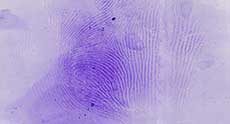
Chemical developers
Chemical developers react to chemicals that are present in the fingerprints or on the physical properties of the fingerprints. .
Read more >
Read more >
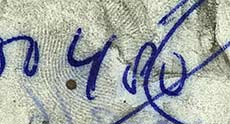
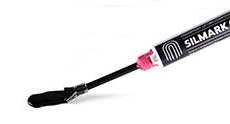
Silmark cart (new)
Silmark CART for lifting of powdered
fingermarks is available in the colours: black, white, and clear.
Read more >
Read more >
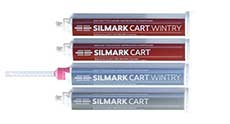
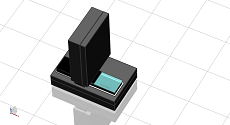
GLScan FP
Imaging system for Gellifters, provides high quality images of over 1350 ppi which is sufficient to examine 3rd level detail.
Read more >
Read more >
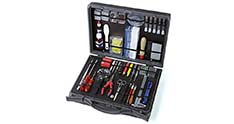
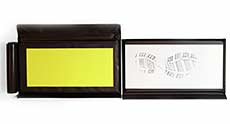
Sole Print (new)
Inkless kit for taking exemplars from feet and footwear with a new recipe that uses chemicals
that are safe for use.
Read more >
Read more >
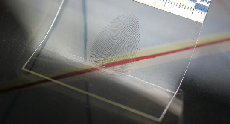
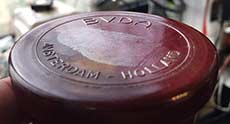
MOST WANTED
fingerprint powders for visualizing fingerprints on different types of surfaces.
Read more >
Read more >
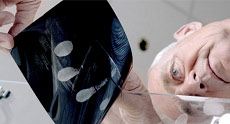
Gellifters
BVDA Gellifters have been especially developed for the
lifting of fingerprints, shoeprints, dust marks and micro traces.
Read more >
Read more >
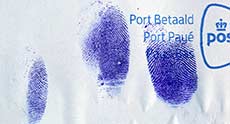
Blood traces
Staining solutions and reagents used for improving the contrast of marks (fingerprints and footmarks) made in blood.
Read more >
Read more >

PECA cyano powders
In a one-step process finger marks are developed and stained at the same time.
Read more >
Read more >
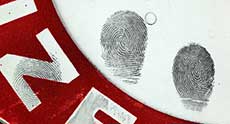
Instant black
Instant black can be sprinkled over a surface from the brush, after which the powder
particles are moved over the surface by tapping the object.
Read more >
Read more >
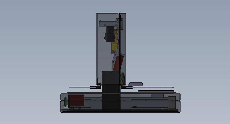
GLScan SP
Imaging system that makes imaging of marks on Gellifters easy. Scans Gellifters as small as 5 x 5 cm/2 x 2" up to 18 x 36 cm/ 7 x 14.4".
Read more >
Read more >
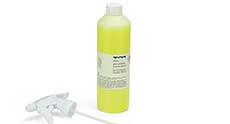
Acid Yellow 7
Acid Yellow 7 is available again as a solution.
The powder Acid yellow 7 is still under processing but will hopefully be available again in the near future.
Read more >
Read more >
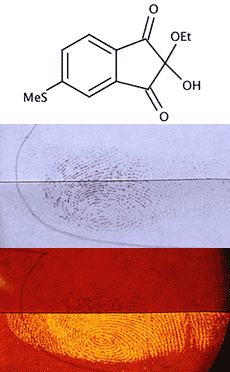
5-MTN
5-Methylthioninhydrin (5-MTN) is a special fingerprint reagent, highly visible and very strong fluorescence.
Read more >
Read more >